
Sugar Dating Safety: Privacy, Scam Signals & First Meetings
Publisher: PrimeSugar
Protect your privacy while exploring sugar dating. Review profile details, recognize suspicious payment requests and make a practical first-meeting plan.
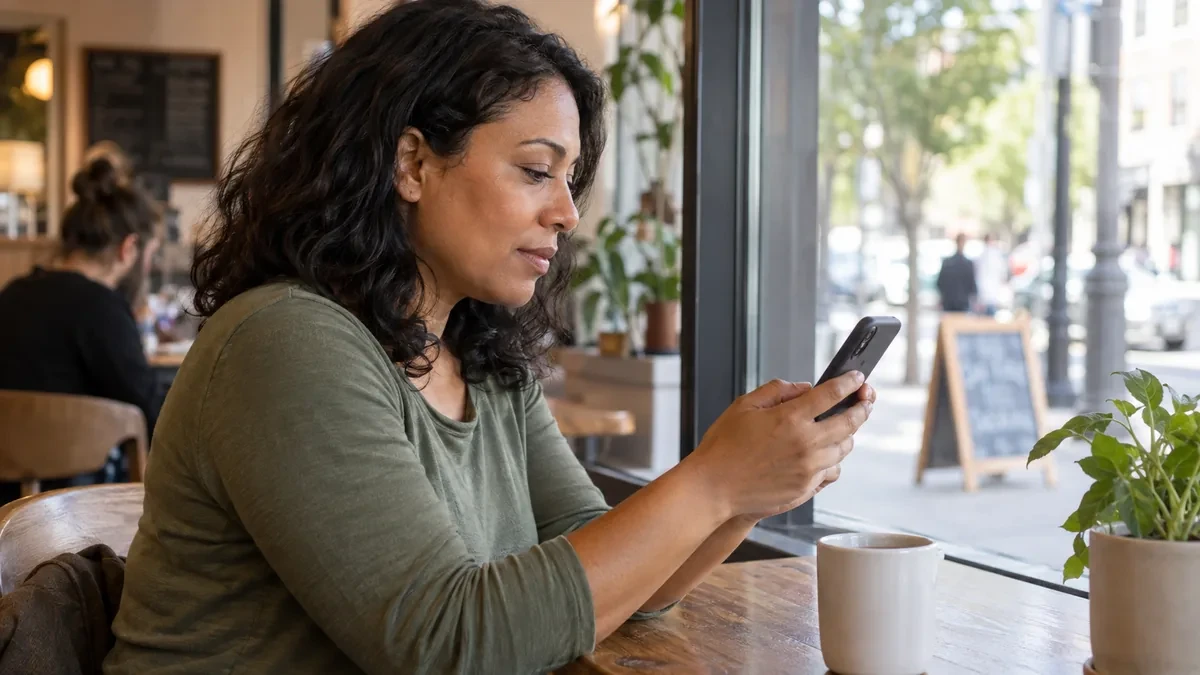
Sugar dating safety starts with choices you control: what your profile reveals, how you respond to unexpected requests and whether your meeting plan lets you leave independently. No checklist or verification badge removes every risk. Use this guide to review those decisions before moving a conversation forward.
New to the terminology? Start with what sugar dating means. Here, the focus is on privacy and practical precautions for adults. A persuasive story or an attractive profile is not a reason to rush past your own limits.
Review what your profile reveals
Start with your photos. Check for a workplace badge, street number, mail, vehicle plate or other people in the background. Consider whether using the same public photo and username elsewhere makes it easier to connect your dating profile with personal accounts.
Use a general location when possible. A city or broad area can help with compatibility without publishing your exact home or daily routine. Keep account passwords unique, and do not share sign-in codes with someone you meet online.
Before publishing, look at your profile as a stranger would:
- Can a photo identify your workplace or apartment building?
- Does your introduction reveal the exact place and time of a weekly routine?
- Do your username and photos connect immediately to a public personal account?
- Have you included contact details that you would prefer to share later?
“I enjoy weekend walks and independent bookstores” gives someone a conversation starter without listing your regular Sunday route. The sugar dating profile examples show more ways to be specific about interests while keeping identifying details private.
Pause when the conversation turns into a money request
The US Federal Trade Commission advises against sending money or gifts to an online love interest you have not met in person. Its guide explains common payment requests and reporting options.
An urgent story, promised future repayment or claim that a payment is needed to unlock funds is a reason to pause. Do not send a “verification fee” to another member, share banking access or move money on their behalf. Keep platform membership charges separate from anything another person asks you to pay.
If you have already paid, contact the payment provider promptly about reversal options and report the account to the platform, as the FTC recommends. Recovery is not guaranteed.
Separate a platform feature from a personal promise
A profile badge may represent one check at one point in time. Read what the service says it checked. Do not assume a selfie check establishes someone’s financial circumstances, intentions or behavior outside the app.
For a membership or verification charge, navigate to the service’s published pricing and payment flow yourself. An account sending a logo, screenshot or payment link has not established that it represents the service. Contact support through the official site when something does not match.
The platform comparison checklist includes questions about verification, reporting, account deletion and privacy controls. Review those tools before you need to use them.
Keep useful records without exposing someone publicly
Retain relevant messages, account identifiers and dates when reporting a concern. Use the platform’s reporting channel or support contact. Avoid posting another person’s private messages or documents publicly; provide relevant records through the reporting process instead.
Moving to another messaging service is your choice, but first consider what personal details that account displays. Check profile photos, phone-number visibility and contact discovery settings before sharing it.
Make the first meeting easy to leave
Suggest a public venue and a limited first meeting. Arrange your own transportation, keep your phone available and let a trusted person know the plan. Agreeing to coffee does not require accepting a later change to someone’s home or a secluded location.
If you feel uncomfortable, you can leave without completing the planned activity. You can also cancel before meeting. The other person has the same freedom, and a respectful connection allows for it.
Write down the plan in plain language: “Coffee at the agreed café at 2 p.m.; about 45 minutes; my own ride home.” A proposed last-minute venue change is a new decision. You can keep the original plan or decline.
A short check before you go
- Reconfirm the public venue and expected duration.
- Keep your transport arrangements under your control.
- Tell a trusted person where you plan to be and when you will check in.
- Keep access to your phone, belongings and a way home.
- Decide what you are comfortable sharing or photographing.
If you want wording for discussing these details, read questions to ask before a first sugar date. A respectful answer matters more than how confidently someone makes a promise.
Check availability before joining PrimeSugar
PrimeSugar’s member app, registration and support currently remain primarily Chinese. For a US-based application, confirm service availability before registering or paying. The English guides do not establish that US local matching is available.